Super.com

Summary

Pivoting to journey mapping

Mapping the customer journey helped us understand context.

Telling a story without an overarching narrative wasn't working. I started mapping the data, flows and customer journey so we could understand how the customer experiences the entire product.

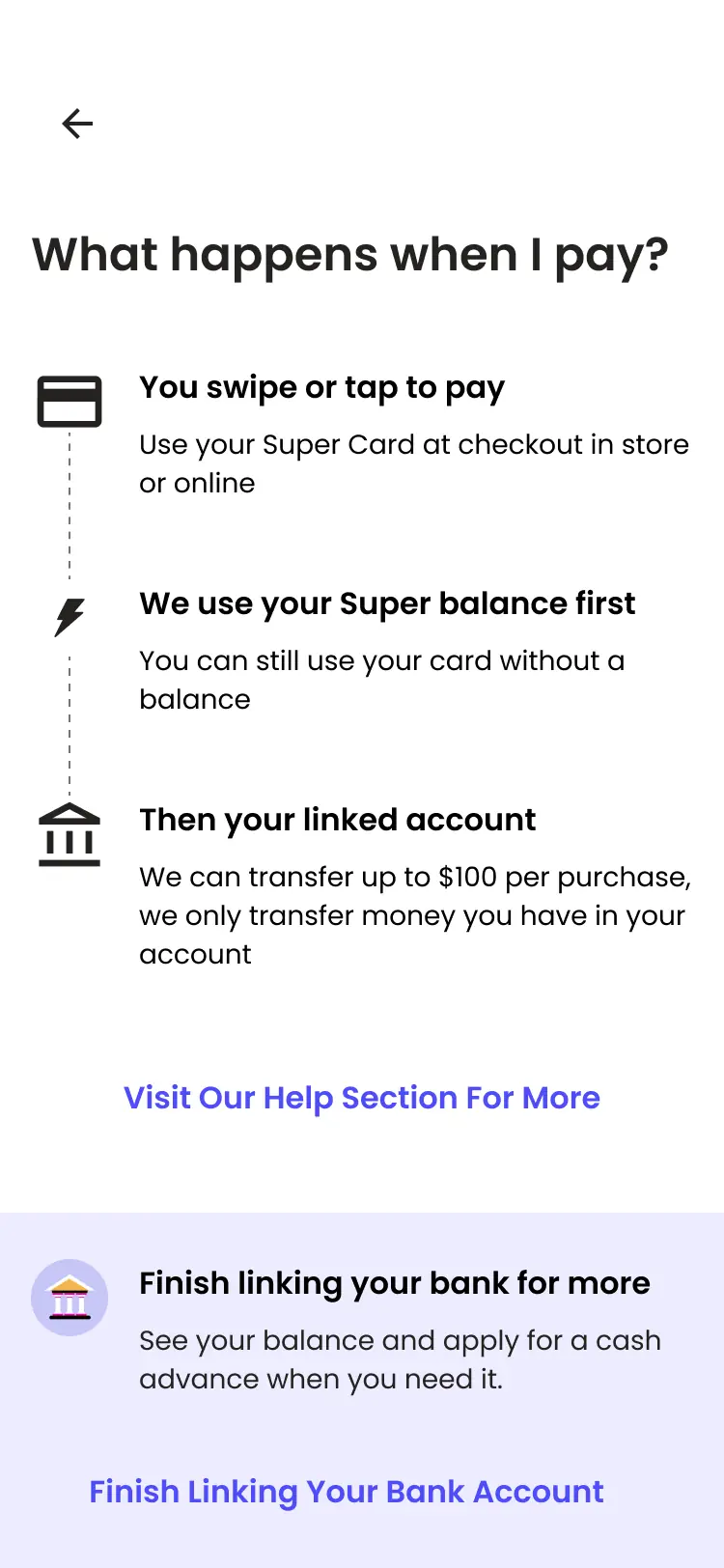
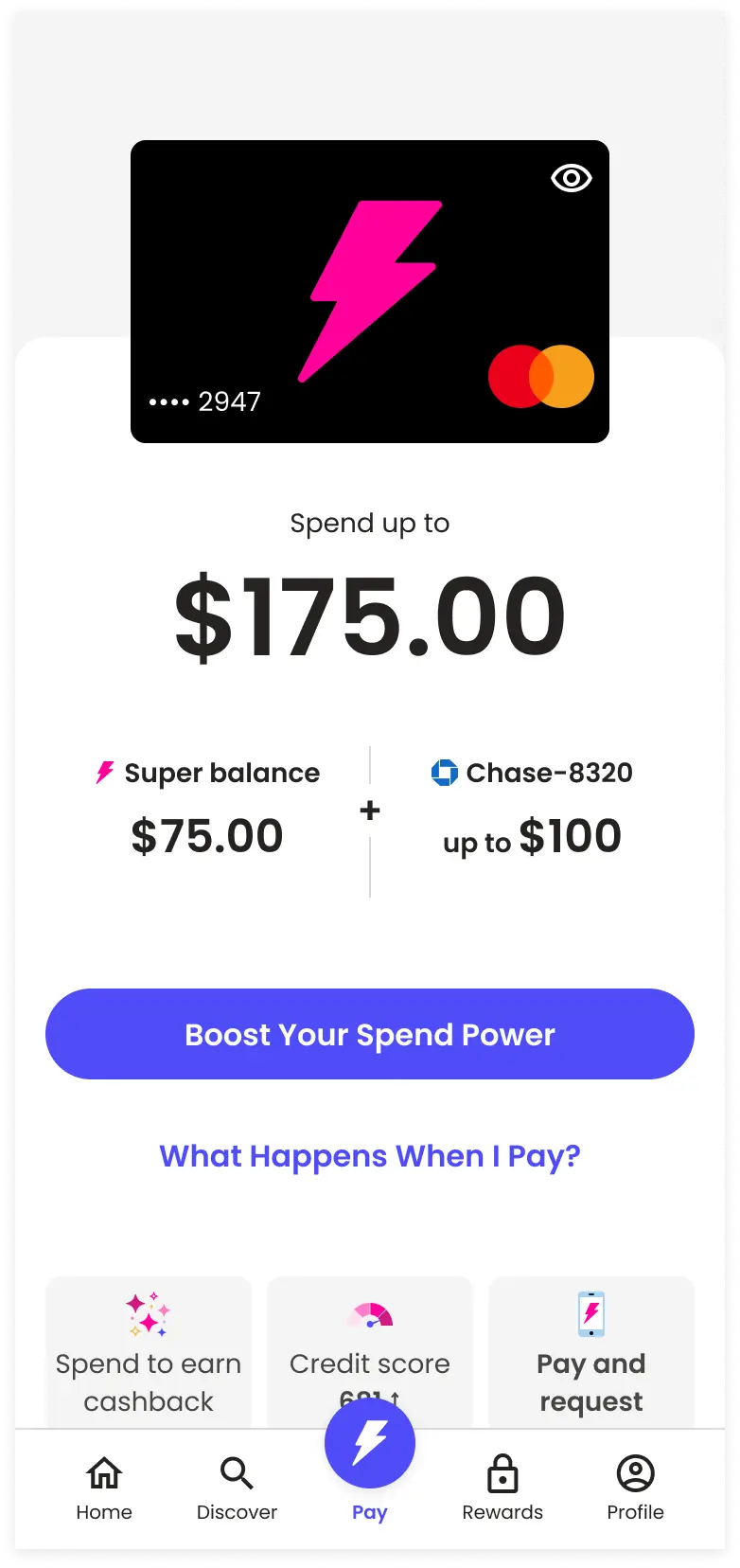
Up to this point, each team was focused on small experiments for their individual products. Work started overlapping and it was difficult for anyone to understand what was actually live at any point in time.

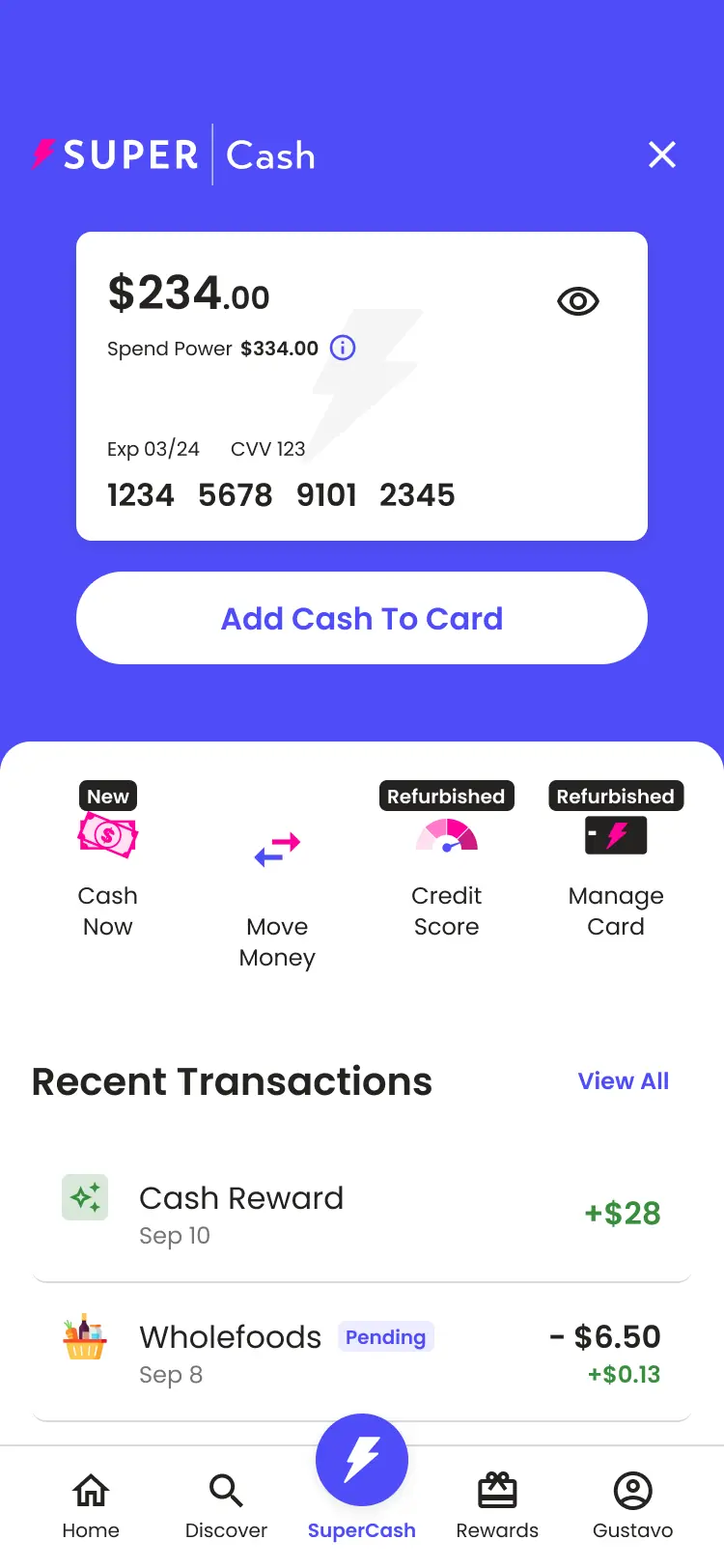
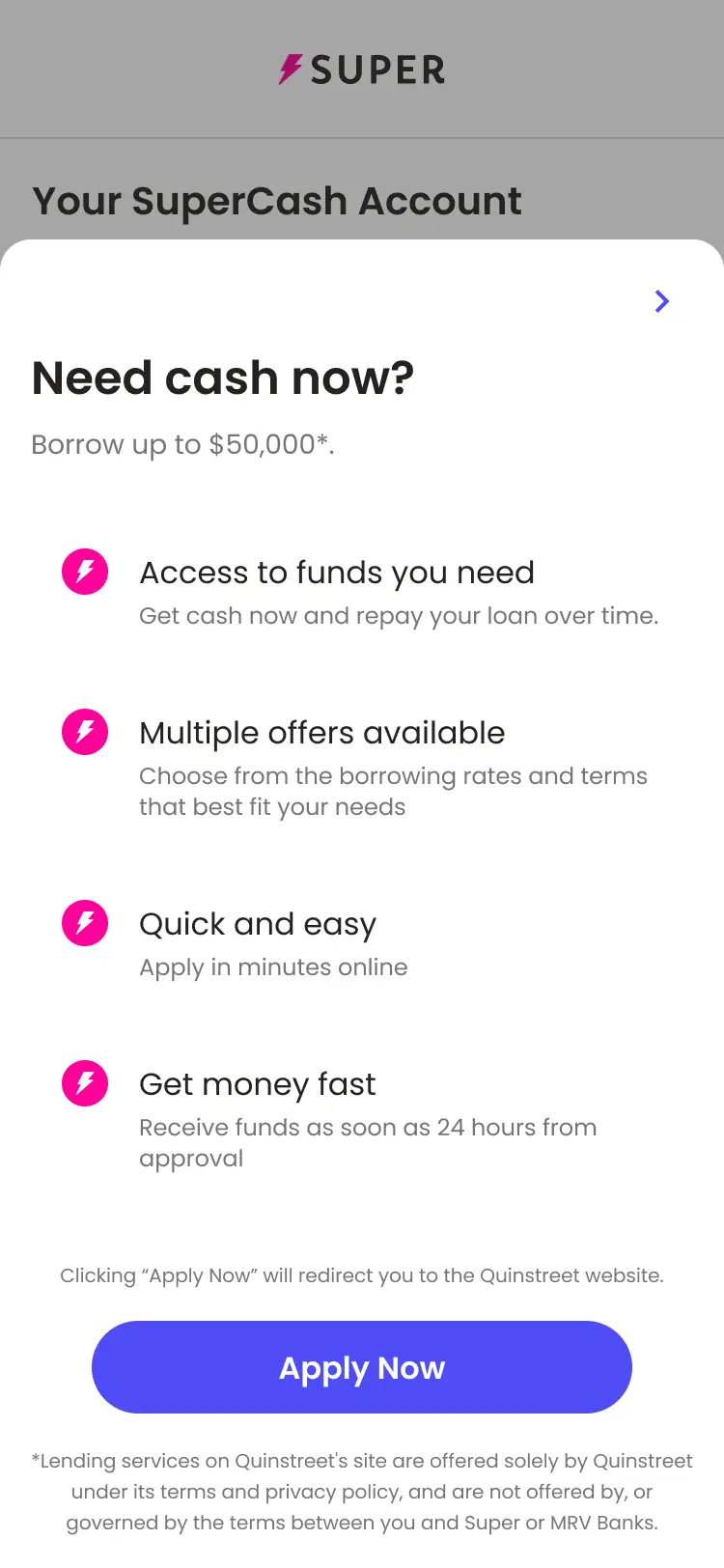
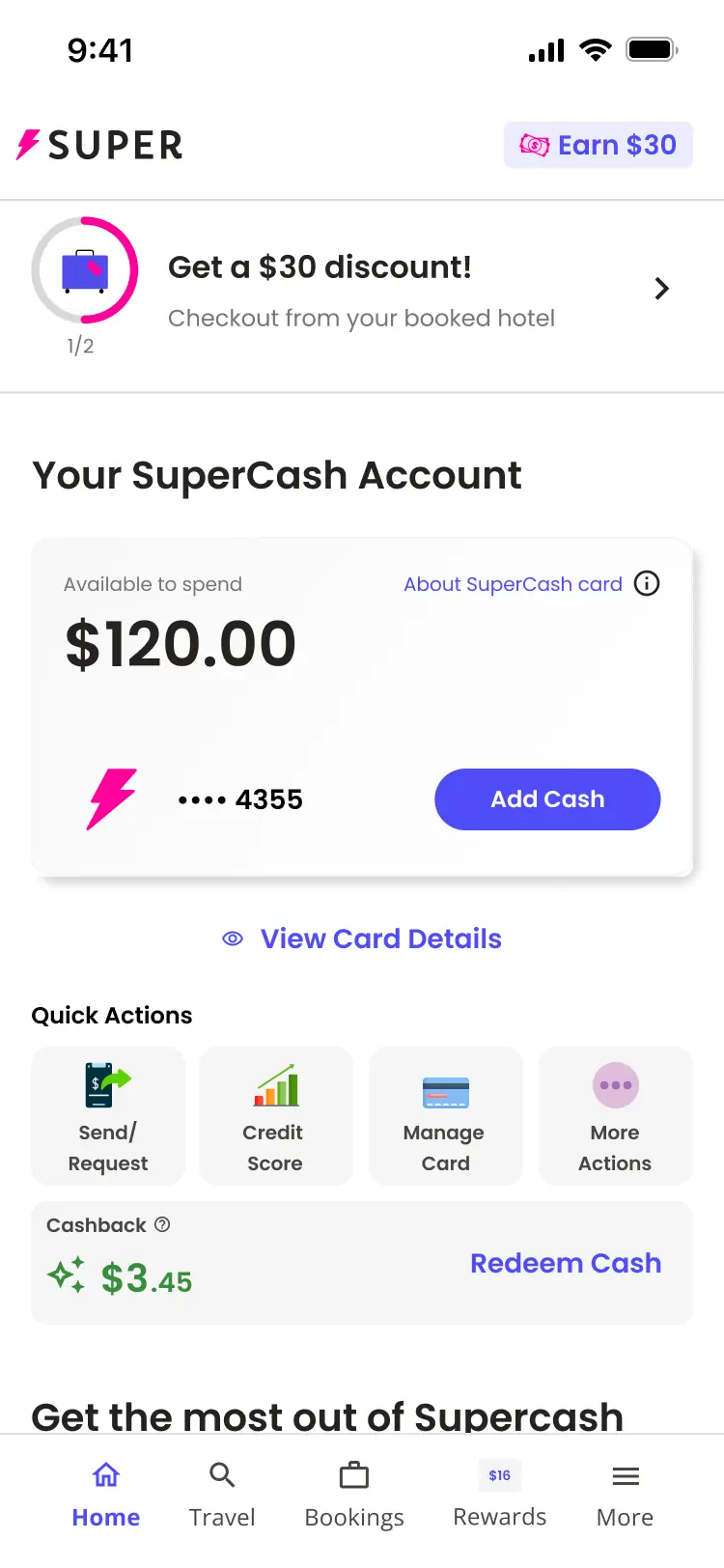
super.com product concepts overview
super.com journey earnings overview
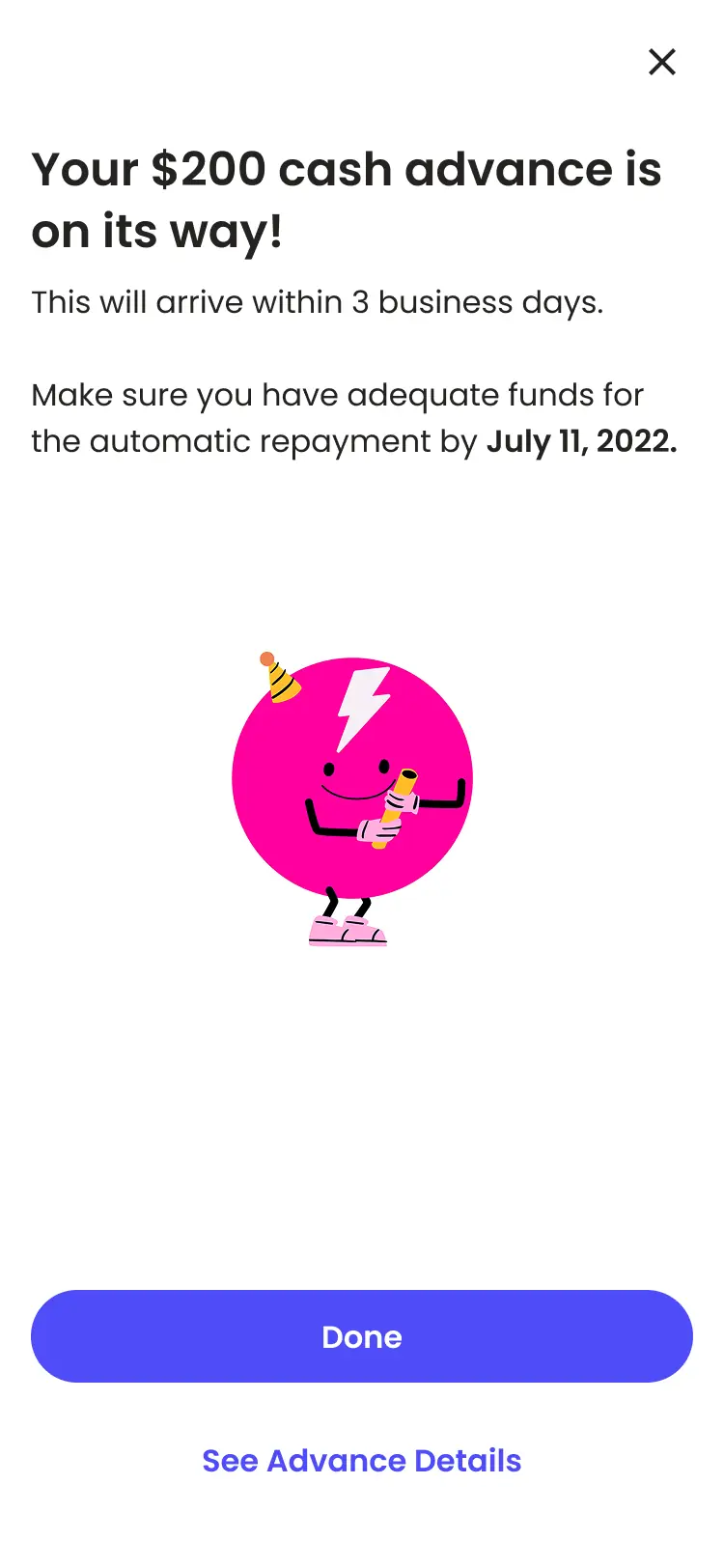
super.com journey cash overview

Launching an experiment

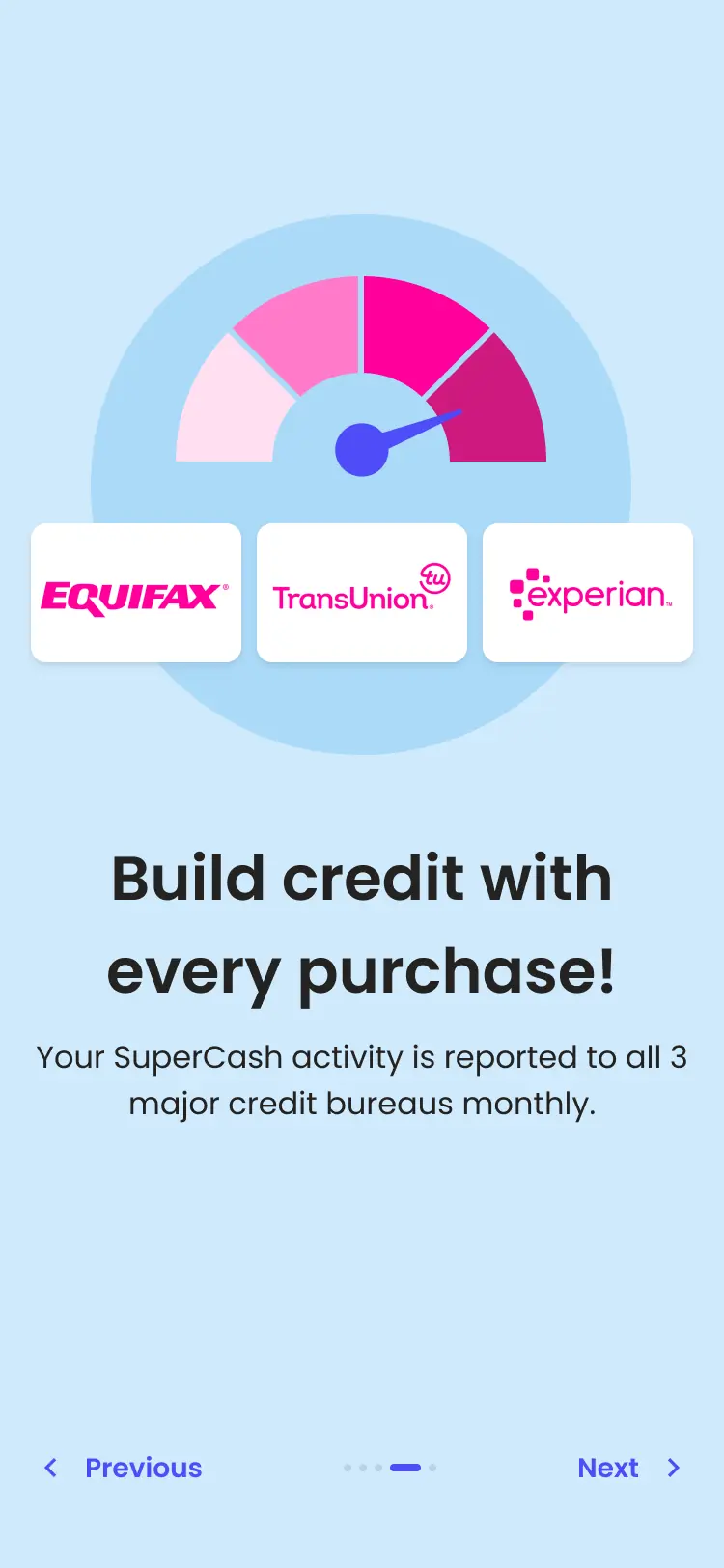
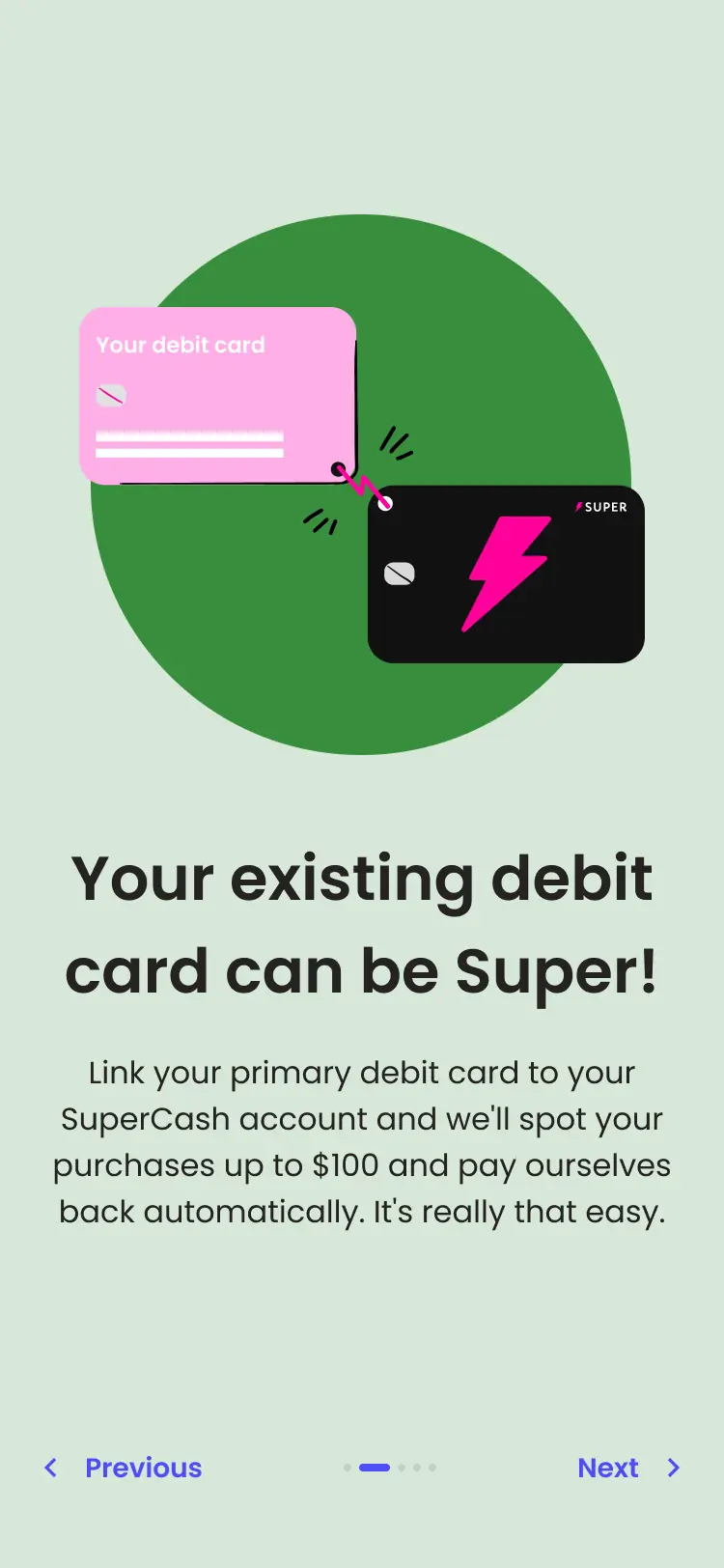
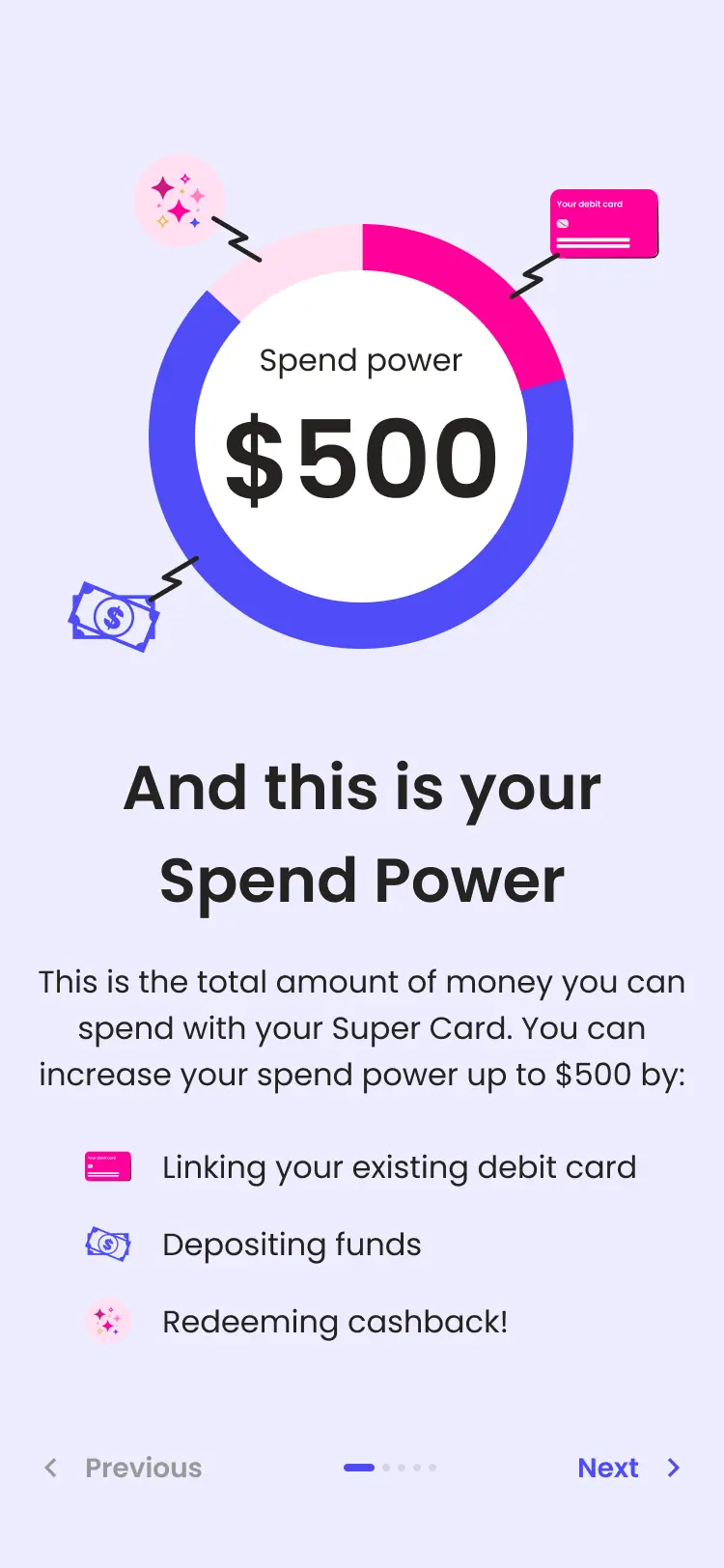
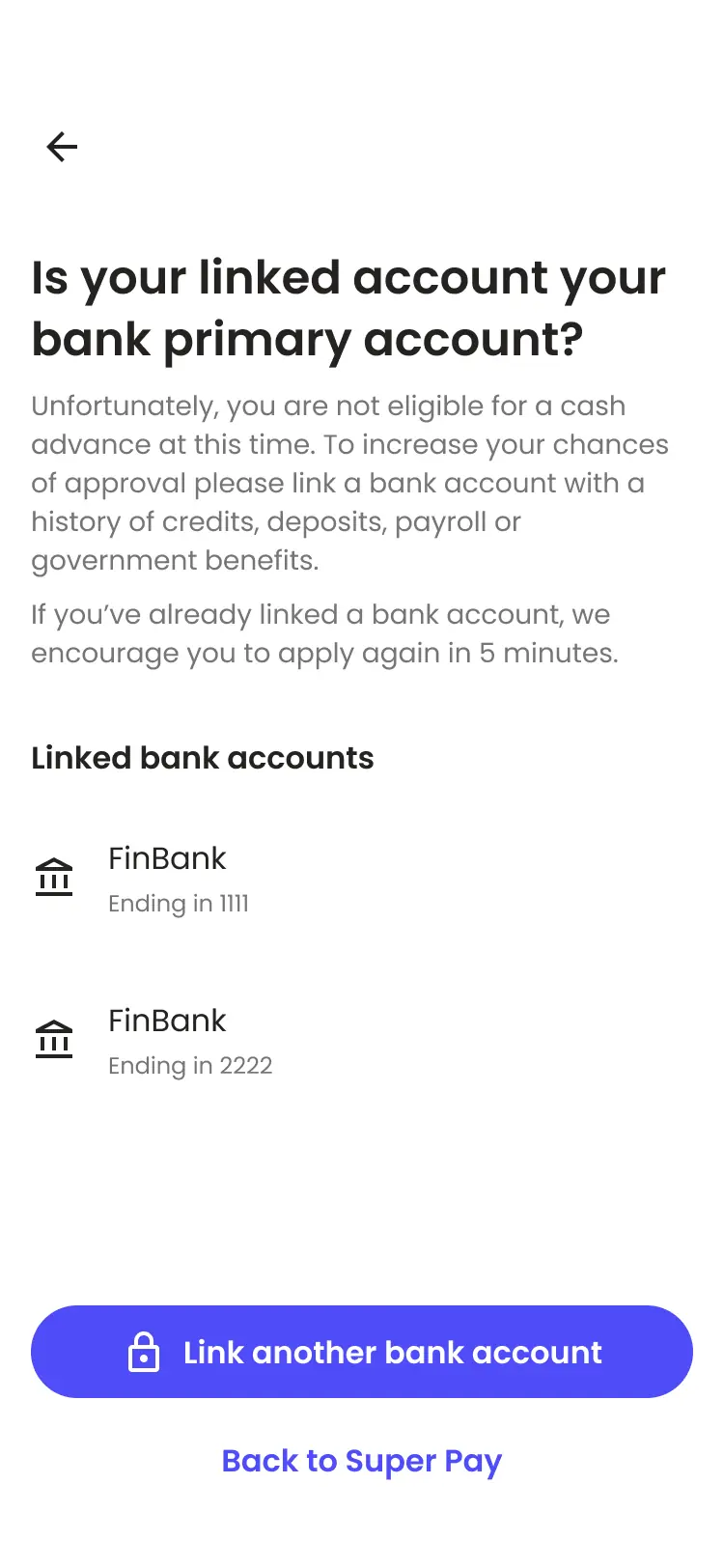
We prioritized core components.

Super.com has a very fast moving, experiment driven culture. That meant experimenting into a bigger idea.

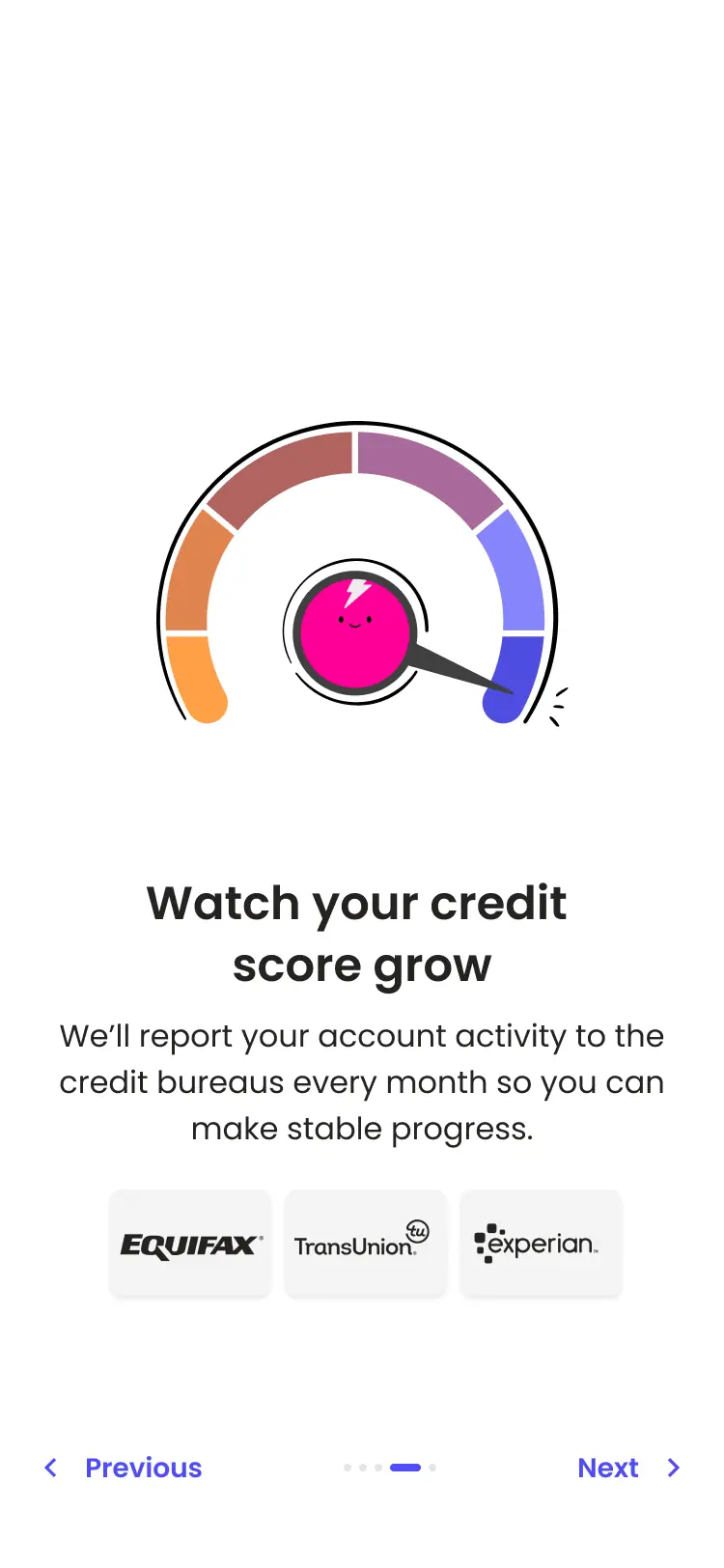
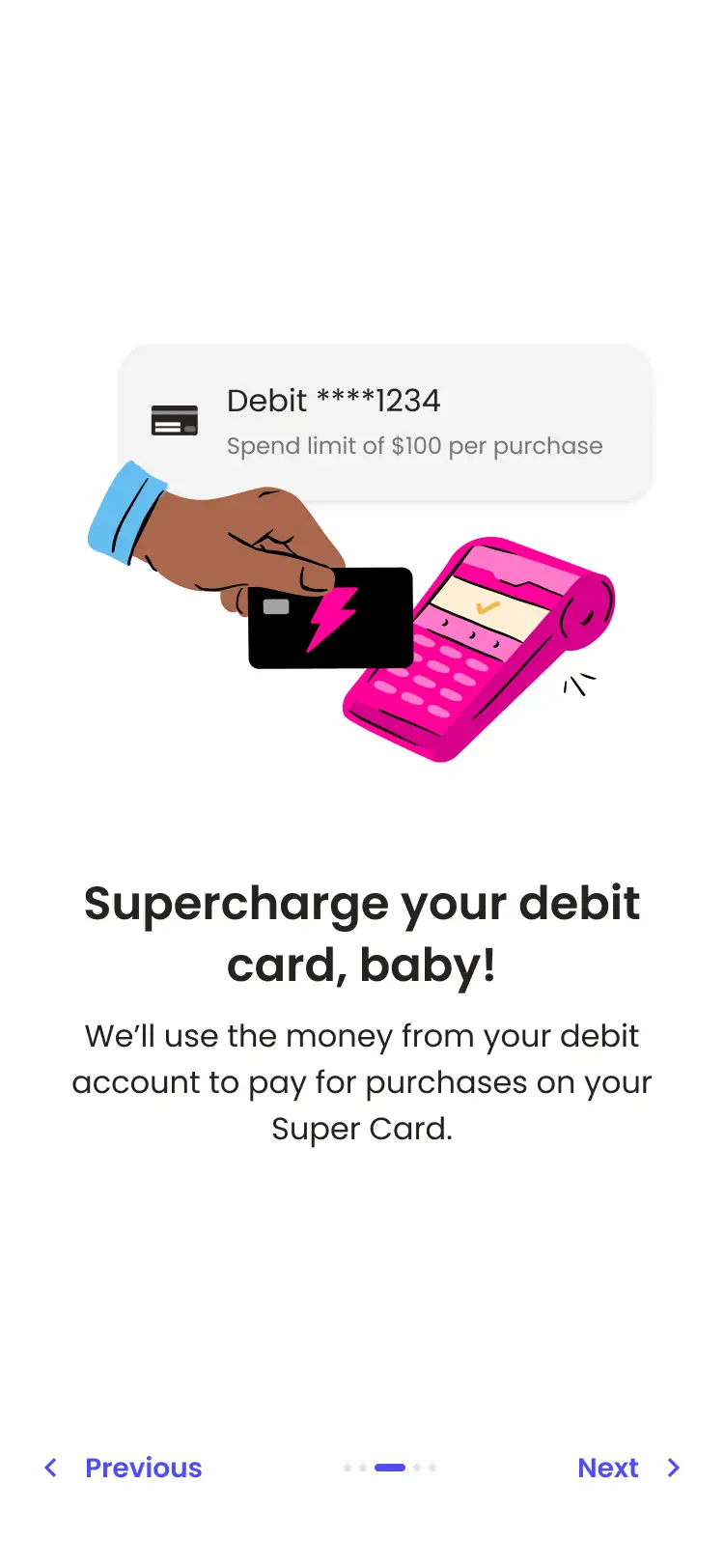
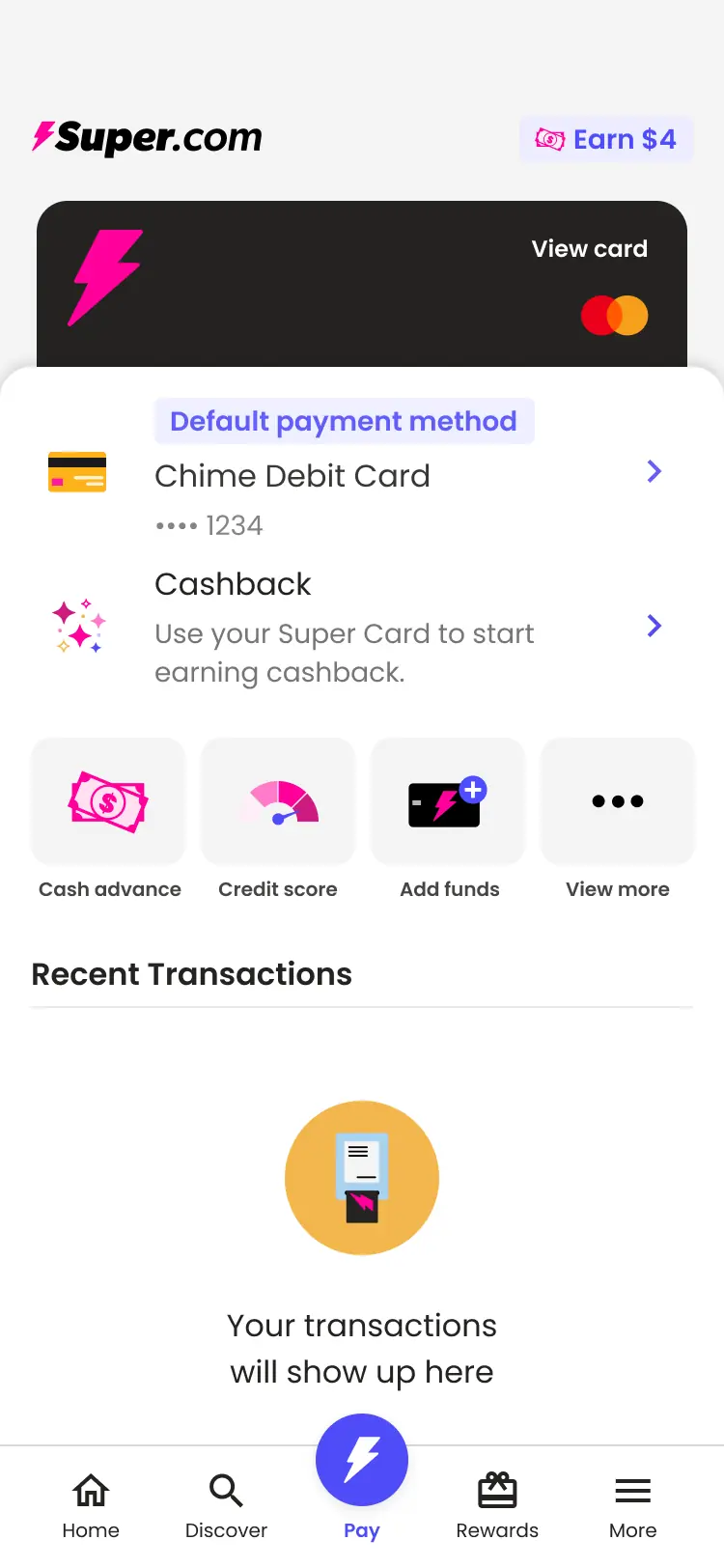
I would have loved to build the entire concept but that was larger than our usual scope. Instead we used these educational concepts and usability tests as a North Star for smaller, iterative and informed updates.

Launching an experiment validated our ideas.

Our customers responded quickly to the new experience.

We quickly saw our call volumes reduce week-over-week. It took a few months to see retention and repayment rates to improve but those ticked up as well.

Results and next steps

The end state was a success.

We accomplished our goal of increasing monthly retention and repayment rates through education.Eventually, we experimented into the entire concept and continued to see improvements while we offered a more polished version of our product.

Next, we tested concepts to take the education even further.

We ran a Wizard of Oz usability and built intent driven homepages based on our customer data. With a few weeks left in the year and no major research initiatives, I pitched a new kind of test. The research team and I ran a Wizard of Oz test based on the learnings from our usability tests and emerging conversations about the use of AI in our products.